Phone Number
+61 (03) 9191 9195Email Address
enquiry@melbournevein.com.au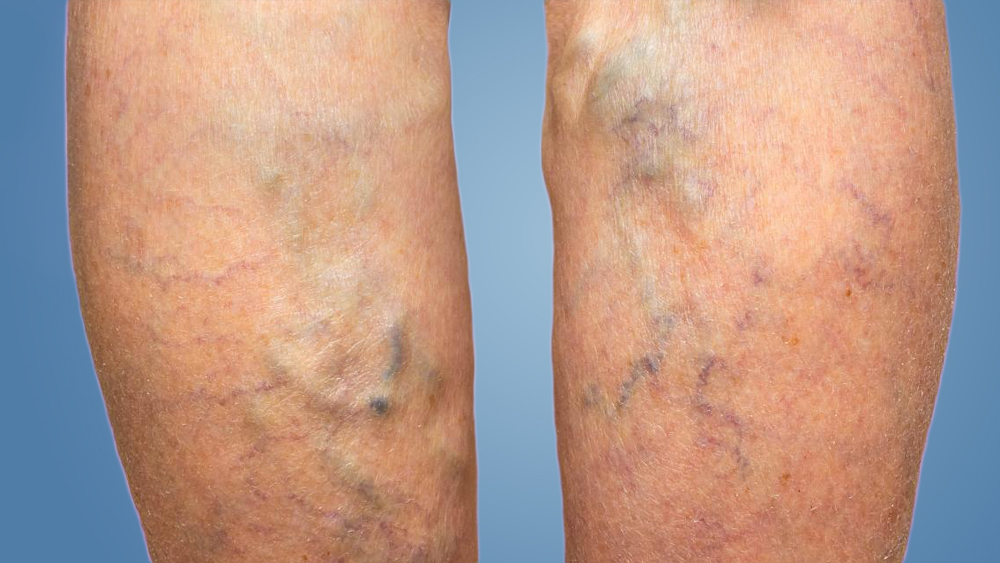
Varicose veins are more common than many people think. These swollen veins most often appear in the legs, though they can form elsewhere on the body. They are rarely a serious condition, but they often feel painful and inconvenient. Left untreated, they can also lead to other health issues.
Abnormally dilated veins on the legs affect 30 to 50% of people at some point in life. They occur in both men and women. A strong family history raises the risk, and pregnancy or jobs that involve long periods of standing can make them worse.
Your veins rely on small valves to move blood through the body. When a valve weakens or fails, blood no longer moves efficiently and starts to pool. That pooling makes the vein swell, bulge, and twist. Long periods of standing or sitting can damage these valves over time.
The vein walls also play a part. As they weaken, rising pressure pushes the walls outward and the vein expands. The valves then work even less well, and more blood backs up inside.
Several factors can raise your risk:
These veins usually appear in three types, often in combination. Spider veins (telangiectasia) are the finest, thread-like veins at less than 1 mm. Slightly larger blue reticular veins (1 to 3 mm) usually feed them. Larger bulging veins measure more than 3 mm.
Your legs also hold a deeper, interior vein network. On rare occasions, one of these deep veins becomes varicose. You often cannot see these deep veins, but they can cause aching or swelling throughout the leg. They can also become sites where blood clots form.
These veins are usually harmless, but they can turn dangerous. When they become inflamed, they feel tender to the touch and can slow circulation. This can bring swollen ankles, itchy skin, and aching in the affected leg.
Pooled blood can also clot. A clot in a surface vein causes superficial phlebitis, a painful but usually manageable condition. If it reaches a deep vein, it becomes deep vein thrombosis, which is serious and needs urgent medical care.
Over the long term, the condition can progress to chronic venous disease. Pooled blood may leak into the tissue of the lower leg and ankle. This hardens and darkens the skin, and can eventually cause venous ulcers.
Dr. Yazdani offers several minimally invasive treatments. Ambulatory Phlebectomy removes the veins and leaves no scars afterwards. The Endovenous Laser Ablation technique closes the affected vein without open surgery.
Dr. Nellie is also an expert in Ultrasound-guided sclerotherapy. This method treats varicose veins with a targeted injection rather than a large incision.
At Melbourne Varicose Vein, we allow around 60 minutes for your first consultation. This gives us time to review your medical and family history in detail. From there, we can pinpoint the root cause and plan the right treatment for you. Visit our success stories to see the zero or minimal after-effects of our treatment.
Dr. Yazdani has achieved great results in restoring vein health.
Call Us or Book an appointment online to visit the Dr. at your convenience.