Book Appointment

Pelvic Or Vaginal Varicose Veins

image
Pelvic Or Vaginal Varicose Veins - Best Vein Varicose Clinic in Victoria Melbourne

Pelvic Or Vaginal Varicose Veins

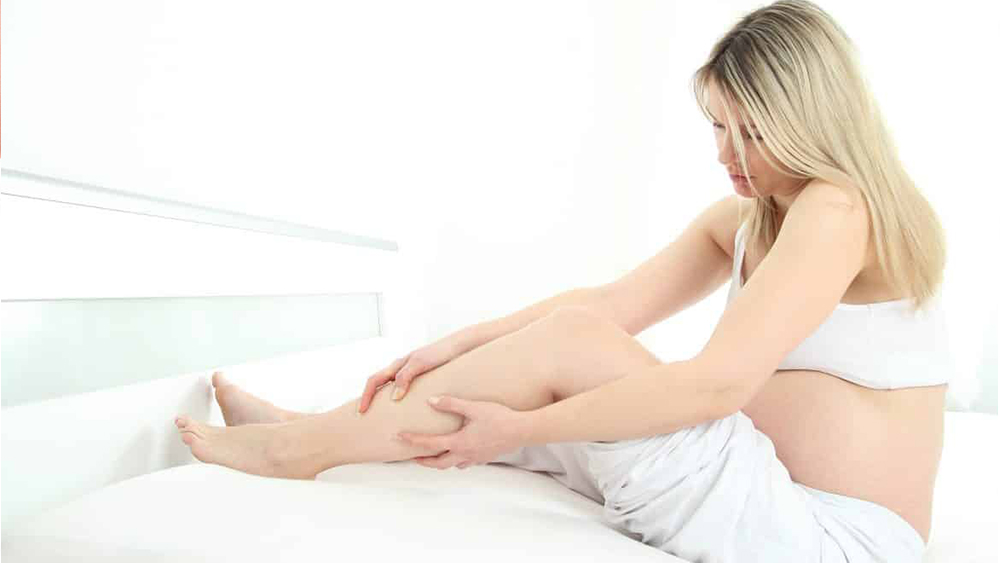
Enlarged veins in the pelvic region can be uncomfortable to live with. They most often appear during pregnancy. You can ease the pain at home, or your doctor can help you manage it.

In many cases these veins fade on their own within a few months of childbirth. When the problem develops outside of pregnancy, it can need more involved care. Several procedures can help you manage the symptoms.

These veins sit deep within the pelvis, so they are hard to see or feel. As a result, many women never get a diagnosis. A visit to the Melbourne Varicose Vein Clinic is the first step towards a proper assessment.

What Causes Pelvic or Vaginal Varicose Veins?

Pregnancy is by far the most common cause. Your body produces more blood, and it flows more slowly from the legs back up to the pelvis. At the same time, changing oestrogen and progesterone levels relax the vein walls.

The rise in sex hormones also encourages blood to pool. As your baby grows, it adds pressure to the blood vessels in the pelvic area. Ageing plays a part too, because veins become less efficient over time and circulation slows.

The problem is more likely if you already have varicose veins in your pelvis. In rarer cases, women who have never been pregnant develop it too. Even men can experience similar veins.

Risks of Leaving Pelvic or Vaginal Varicose Veins Untreated

Without an assessment, the condition can cause ongoing pain in the pelvis. This pain can spread to the lower back and upper thighs. Studies suggest these veins affect 18 to 22% of pregnant women and 22 to 34% of women with pelvic varicosities. The true figures may be even higher, because so many cases go undiagnosed.

Signs & Symptoms to Look Out For

  • Bulging veins around the pelvic area that can cause pain
  • Heaviness in the pelvic area, mainly towards the end of the day
  • Frequent urination
  • Painful intercourse and a feeling of pressure in the pelvic area
  • Swollen veins, which a feeder vein can cause
  • A tender, sore pelvic or genital area, similar to a bruise
  • A feeling of pressure or fullness in the genitals

Effective Treatment Options for Pelvic or Vaginal Varicose Veins

These veins are hard to spot on examination alone. For that reason, an accurate diagnosis matters before treatment begins. An early assessment gives you the best chance to relieve symptoms and choose the right approach.

Dr. Niloofar Yazdani can then guide you through the treatment options that best suit your symptoms. This applies whether the veins first appeared during pregnancy or at another stage of life.

Recovery and Post-Treatment Care

At Melbourne Varicose Vein, we allow around 60 minutes for your first consultation. This gives us time to explore your medical and family history in detail. From there, we can pinpoint the root cause and support your recovery. If this affects you, please get in touch and we will guide you on the next steps.

FAQs

What are vaginal varicose veins, and how do they differ from pelvic varicose veins?

+
Vaginal varicose veins are swollen, enlarged veins in the vaginal area, while pelvic varicose veins involve the veins in the pelvic region. Both conditions result from blood flow issues, but they affect different parts of the anatomy.

When should I see a doctor for vaginal varicose vein problems?

+
If you experience symptoms such as pain, swelling, or discomfort in the vaginal area, it's advisable to consult a healthcare professional. A specialized vaginal varicose vein doctor can provide a thorough evaluation and recommend appropriate treatment options.

Can pelvic varicose veins cause long-term health issues?

+
Pelvic varicose veins can lead to persistent discomfort, but serious complications are uncommon. However, if left untreated, they may contribute to chronic pain or discomfort. Seeking timely medical advice and exploring appropriate treatment options can help manage symptoms and prevent potential long-term issues.

What treatment options are available for pelvic varicose veins?

+
Pelvic varicose veins can be managed through various approaches, including lifestyle modifications, compression therapy, and in some cases, medical procedures such as embolization. It's crucial to consult with a healthcare provider to determine the most suitable treatment plan based on individual circumstances.

Are there potential side effects associated with treating vaginal varicose veins?

+
While treatments for vaginal varicose veins are generally safe, some individuals may experience mild side effects such as bruising or discomfort at the treatment site. Serious complications are rare, and any concerns should be discussed with the healthcare provider overseeing the treatment.

Sign Up for an Appointment with the Doctor Today

Dr. Yazdani has achieved great results in restoring vein health.
Call Us or Book an appointment online to visit the Dr. at your convenience.