
Book Appointment

Abnormal Veins In The Feet & Ankle

image
Abnormal Veins In The Feet & Ankle - Best Vein Varicose Clinic in Victoria Melbourne

Abnormal Veins In The Feet & Ankle

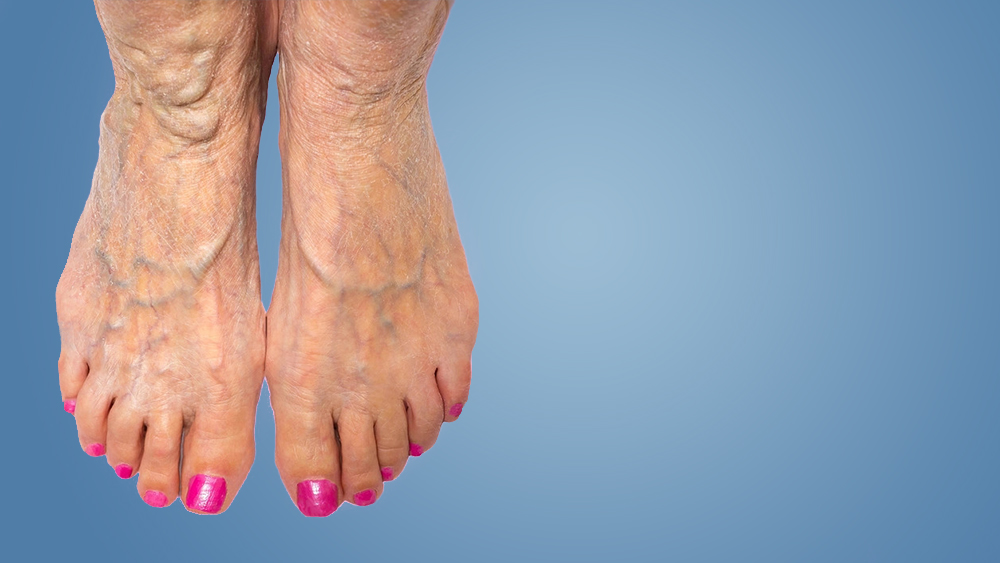
Medically, specialists term spider and larger varicose veins around the ankle and feet as ‘corona phlebectatica’. This condition usually forms a fan-shaped pattern of numerous small abnormal veins. Specifically, having abnormal veins in the feet & ankle may indicate a progressing underlying leg vein problem.

Generally, veins are blood vessels that return blood from the leg upwards towards the heart. In the limbs, blood flow should always travel from the superficial veins to the deep veins. Furthermore, many connecting pathways called perforating veins link these superficial and deeper systems together.

Normally, one-way valves within the veins prevent blood from traveling downward in the reverse direction. Therefore, blood cannot easily flow outward from the deep to the superficial veins.

What Causes Abnormal Veins in the Feet & Ankle?

However, these valves can fail in some people. Consequently, blood travels backward down the leg, especially when you are standing. Doctors define this reverse flow as ‘reflux’ and classify these refluxing vessels as incompetent veins. This failure increases pressure within the vessels, which eventually causes the vein wall to expand, bulge, and produce a varicose vein.

Fortunately, advanced Laser or Radio-frequency Treatment remains best suited to eliminate these problematic veins.

Risks of Leaving Abnormal Veins in the Feet & Ankle Untreated

If you leave abnormal veins in the feet & ankle untreated, they can cause severe complications. For example, symptoms include venous eczema, changes in skin colour, and hardening of the calf skin. Additionally, patients frequently experience leg swelling around the ankle, ulcers, and potential blood clots.

Signs & Symptoms of Abnormal Veins in Ankle & Feet

  • Venous eczema (painful itching skin directly over the veins)
  • Discoloured skin tones or painful, open leg ulcers
  • Swelling and hardening of the skin on your calves, knees, and lower legs
  • Persistent aching and tenderness across your legs, ankles, and feet
  • Throbbing, itching, and burning sensations around the lower limbs
  • Restless legs alongside frequent muscle cramping
  • Heaviness and constant fatigue throughout your lower limbs

Effective Treatment for Abnormal Veins in the Feet & Ankle

Today, modern medical guidelines establish a diagnostic ultrasound as the standard of care for investigating varicose veins. Specifically, this non-invasive scan checks the exact diameter, patency, and direction of blood flow within the leg veins.

Furthermore, ultrasound imaging directly guides Dr. Niloofar Yazdani during minimally invasive procedures at Melbourne Varicose Vein Clinic. Consequently, she can safely perform advanced treatment options like sclerotherapy, laser treatment, and specialised vein glues to eliminate abnormal vessels.

Recovery and Post-Treatment Care

To support your recovery after these procedures, wearing compression stockings can significantly improve post-treatment healing. However, your medical condition and overall health history will ultimately determine the precise and effective use.

FAQs

What are the symptoms of abnormal veins in the ankle and leg?

+
Symptoms of abnormal veins in the ankle and leg may include swelling, aching, and a sensation of heaviness or fatigue in the affected limb. Visible veins, often in a twisted or bulging form, may also be present. If you experience these symptoms, it is advisable to consult a healthcare professional for a proper diagnosis.

How can I identify if I have an abnormal vein problem?

+
If you notice the development of varicose veins or spider veins in your ankle or leg, it could be an indication of an abnormal vein problem. Additionally, symptoms such as pain, cramping, or restless legs may be associated with abnormal veins. Seeking consultation with a specialized doctor who deals with vein disorders can help diagnose and address the issue.

When should I see a doctor for an abnormal vein problem?

+
It is recommended to see a doctor if you experience persistent symptoms related to abnormal veins, such as pain, swelling, or changes in skin color. If left untreated, abnormal veins can lead to more serious complications. Seeking early intervention from a qualified abnormal vein doctor can help prevent further progression of the condition.

What treatments are available for abnormal veins in the ankle and leg?

+
Treatment options for abnormal veins in the ankle and leg include minimally invasive procedures like sclerotherapy and endovenous laser treatment (EVLT). These procedures aim to close or remove the affected veins, improving blood circulation and alleviating symptoms. Consultation with an abnormal vein specialist is crucial to determine the most suitable treatment plan based on individual circumstances.

How do I find a qualified abnormal vein doctor for treatment?

+
To find a qualified abnormal vein doctor, start by consulting with your primary care physician for a referral. You can also conduct online research to identify specialists in vein disorders. Look for doctors with experience in treating abnormal veins, and consider reading patient reviews. Ensure that the selected doctor is board-certified and offers a range of treatment options tailored to your specific condition.

Sign Up for an Appointment with the Doctor Today

Dr. Yazdani has achieved great results in restoring vein health.
Call Us or Book an appointment online to visit the Dr. at your convenience.