Book Appointment

Deep Vein Thrombosis

image
Deep Vein Thrombosis - Best Vein Varicose Clinic in Victoria Melbourne

Deep Vein Thrombosis

A blood clot in the leg, medically known as Post-Thrombotic Syndrome (PTS), is a long-term complication that can develop after a deep vein thrombosis (DVT). It typically appears months after the initial clot, once the acute symptoms have settled, and can leave lasting effects on the leg.

Generally, healthy leg veins carry blood upwards from the leg towards the heart. When a DVT damages a deep vein, the one-way valves inside can stop working properly, allowing blood to pool and pressure to build within the vessel.

This raised pressure is what leads to the chronic swelling, discomfort, and skin changes associated with the condition. Up to 50% of people who experience a DVT will go on to develop some degree of PTS.

What Causes a Blood Clot in the Leg?

PTS most often follows a deep vein thrombosis, but the risk isn't limited to the deep veins alone. In patients with varicose veins who develop a superficial clot, there is up to a 20% chance the clot extends into the deep veins or occurs alongside a DVT.

Underlying medical conditions, reduced mobility, and a history of vein problems all raise the likelihood of a clot forming. Where valve damage has already occurred, prompt assessment gives the best chance of managing symptoms early.

Risks of Leaving a Blood Clot in the Leg Untreated

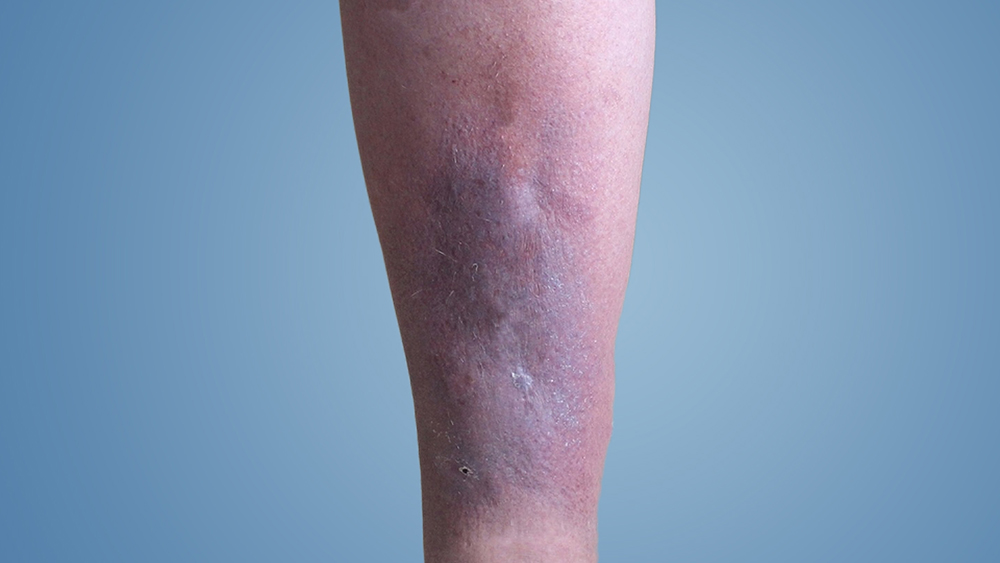
If left unmanaged, the ongoing pressure in the leg can cause progressive skin damage. Patients frequently experience persistent swelling, brown discolouration of the skin, thickening or hardening of the tissue, and in more advanced cases, venous leg ulcers that require specialised wound care.

Signs & Symptoms of a Blood Clot in the Leg

  • Heaviness and a pins-and-needles sensation (paraesthesia)
  • Swelling (oedema) around the affected area
  • Thickening or hardening of the skin (induration)
  • Brown discolouration of the skin (hyperpigmentation)
  • Redness and visible widening or dilation of the veins
  • Pain when the calf is pressed, and in some cases ulceration
  • Itching, tingling, or cramping in the leg
  • Leg pain that worsens with standing and eases after resting or raising the leg

Effective Treatment for a Blood Clot in the Leg

The most common and effective first-line treatment is compression therapy, which helps control pressure and reduce swelling. Depending on the severity, medicines, topical creams, or in some cases surgery may also be recommended.

Based on your individual signs and symptoms, Dr. Niloofar Yazdani will assign a severity score that guides a tailored management plan. Where ulcers are present, dedicated wound care forms an important part of that plan.

Recovery and Post-Treatment Care

At Melbourne Varicose Vein, we allocate around 60 minutes for the initial consultation. This time allows us to explore your medical and family history in detail so we can identify the root cause and support your long-term recovery. If this condition affects you, please feel free to enquire further — we can refer or suggest a suitable doctor.

FAQs

What is deep vein thrombosis (DVT), and what are the common problems associated with it?

+
Deep vein thrombosis (DVT) is a medical condition where blood clots form in deep veins, typically in the legs. Common problems associated with DVT include swelling, pain, and in severe cases, the potential for the clot to break loose and travel to the lungs, causing a pulmonary embolism.

When should I consult a doctor for deep vein thrombosis, and what can a deep vein thrombosis doctor do for me?

+
Consult a doctor if you experience persistent leg pain, swelling, or discoloration. A deep vein thrombosis doctor, often a vascular specialist or hematologist, can diagnose DVT through imaging tests. They will develop a treatment plan which may include blood thinners, lifestyle changes, or in more severe cases, surgical intervention to remove the clot.

What are the potential side effects of deep vein thrombosis and its treatment?

+
Side effects of deep vein thrombosis can include chronic pain, swelling, and skin discoloration. Treatment with blood thinners may lead to an increased risk of bleeding. It's essential to discuss potential side effects with your doctor, who can tailor the treatment plan to minimize risks while effectively managing the condition.

Can deep vein thrombosis be treated without surgery? What are the non-surgical treatment options?

+
Yes, many cases of deep vein thrombosis can be treated without surgery. Non-surgical options include anticoagulant medications (blood thinners) to prevent clot growth, compression stockings to reduce swelling, and lifestyle changes such as regular exercise. Your doctor will determine the most suitable treatment based on the severity and specific characteristics of your condition.

Are there long-term complications associated with deep vein thrombosis, even after successful treatment?

+
Yes, some individuals may experience long-term complications post-deep vein thrombosis, known as post-thrombotic syndrome. This can include chronic pain, swelling, and skin changes. To minimize these complications, it's crucial to follow your doctor's recommendations, including taking prescribed medications, wearing compression stockings, and adopting a healthy lifestyle to promote vascular health.

Sign Up for an Appointment with the Doctor Today

Dr. Yazdani has achieved great results in restoring vein health.
Call Us or Book an appointment online to visit the Dr. at your convenience.