Book Appointment

Vein Conditions

  • Home
  • Vein Conditions
image
Vein Conditions

Learn about the causes & symptoms of Vein Conditions

Varicose Veins in Leg

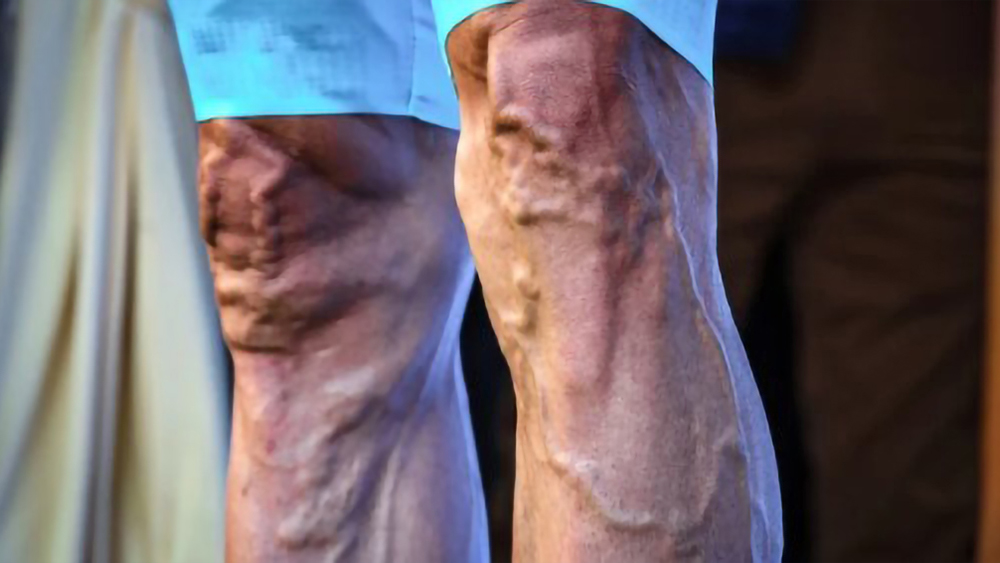
Varicose Veins in Leg

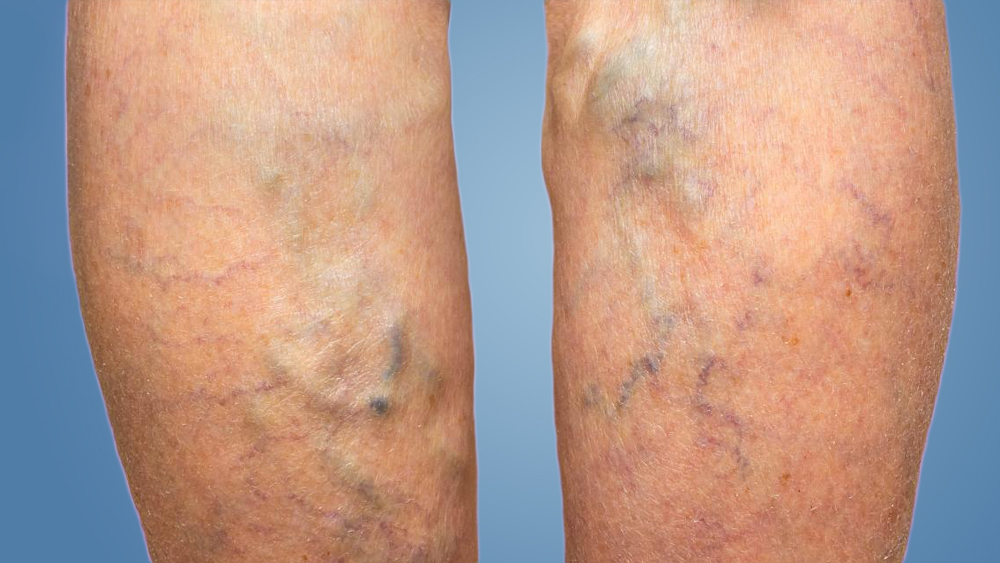
Varicose veins are more common than many people think. These swollen veins most often appear in the legs, though they can form elsewhere on the body. They are rarely a serious condition, but they often feel painful and inconvenient. Left untreated, they can also lead to other health issues. Abnormally dilated veins on the legs …
Reticular Veins

Reticular Veins

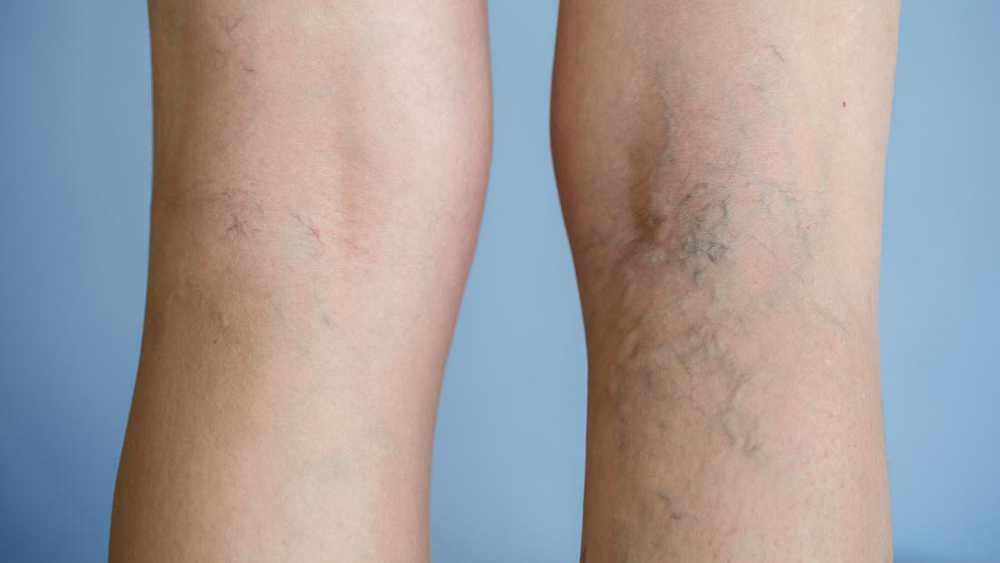
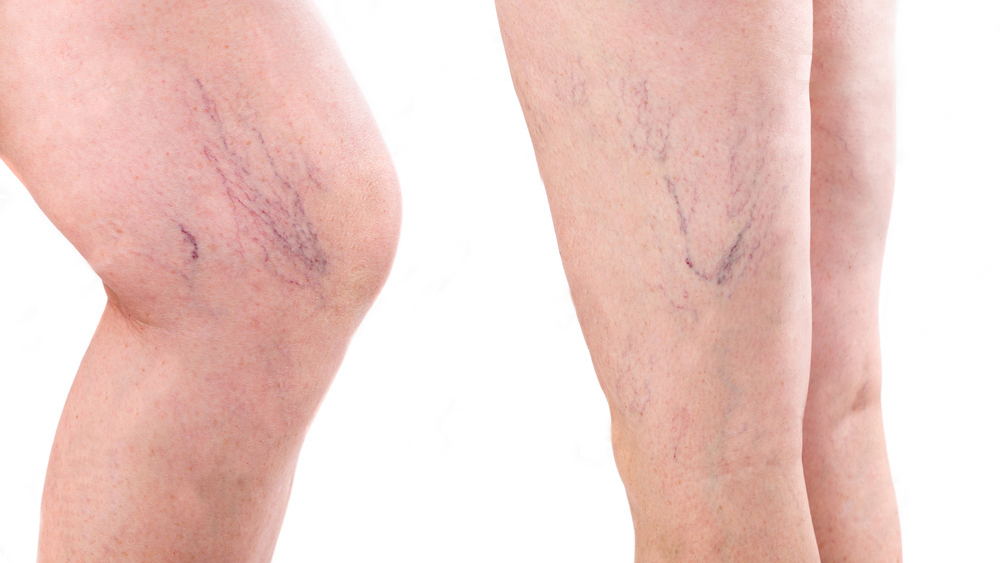
Reticular veins are usually blue or purple, and they often form clusters. They can bring pain or discomfort. You will mostly find them on the inner and back of the thighs, the back of the legs, and the ankles. Occasionally they appear on the face. These veins are also known as feeder veins. They look …

Spider Veins in Leg

Spider Veins in Leg

Spider veins, known medically as telangiectasia, are fine thread-like veins in blue or red. They can appear almost anywhere, but they most often show on the legs, ankles, face, chest, and abdomen. They sit close to the surface of the skin. On the legs, you will usually see them on the outer thigh and the …

Abnormal Veins In The Feet & Ankle

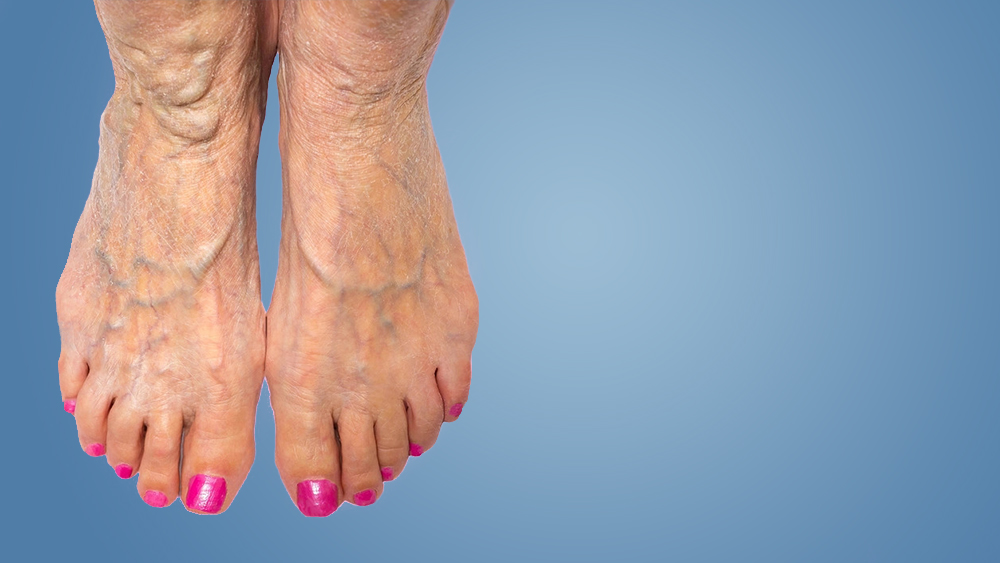
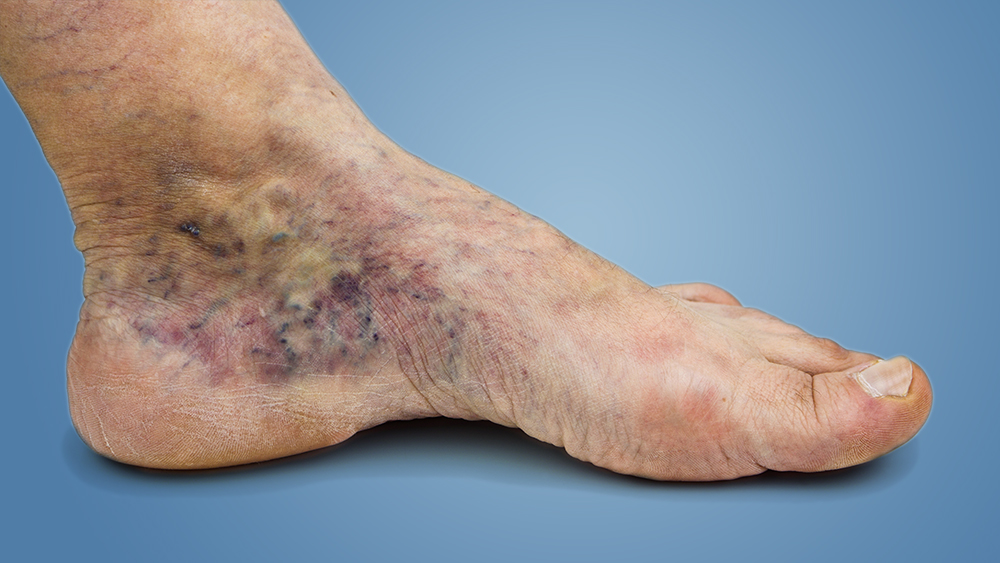
Abnormal Veins In The Feet & Ankle

Medically, specialists term spider and larger varicose veins around the ankle and feet as ‘corona phlebectatica’. This condition usually forms a fan-shaped pattern of numerous small abnormal veins. Specifically, having abnormal veins in the feet & ankle may indicate a progressing underlying leg vein problem. Generally, veins are blood vessels that return blood from the …

Severe Varicose Vein

Severe Varicose Vein

Severe varicose veins can cause more than cosmetic concern. Left untreated, they can lead to rashes, infections, bleeding, sores, and blood clots. Not everyone develops these complications. Still, leaving the veins untreated raises the chance that problems appear. At Melbourne Varicose Vein, we avoid the cuts and pain of traditional surgery. Instead, we use the …

Venous Ulcers

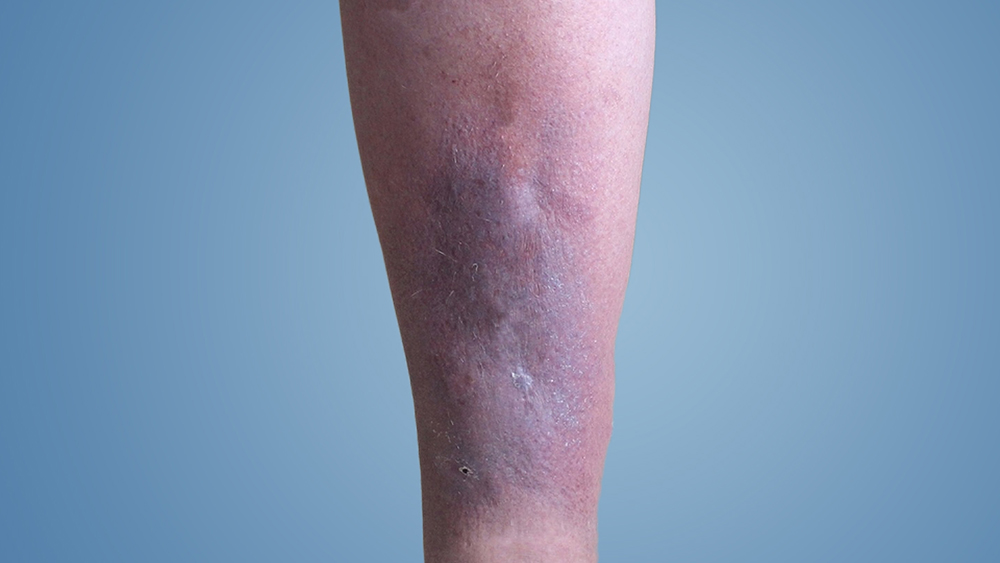
Venous Ulcers

Inflammatory processes that result in leukocyte activation, endothelial injury, platelet aggregation, and intracellular edema are all possible causes of venous ulcers. Older age, obesity, prior leg injuries, deep venous thrombosis, and phlebitis are the key risk factors for venous ulcer formation. Venous ulcers are usually irregular, shallow, and found over bony prominences on physical inspection. …

Deep Vein Thrombosis

Deep Vein Thrombosis

A blood clot in the leg, medically known as Post-Thrombotic Syndrome (PTS), is a long-term complication that can develop after a deep vein thrombosis (DVT). It typically appears months after the initial clot, once the acute symptoms have settled, and can leave lasting effects on the leg. Generally, healthy leg veins carry blood upwards from …

Pelvic Or Vaginal Varicose Veins

Pelvic Or Vaginal Varicose Veins

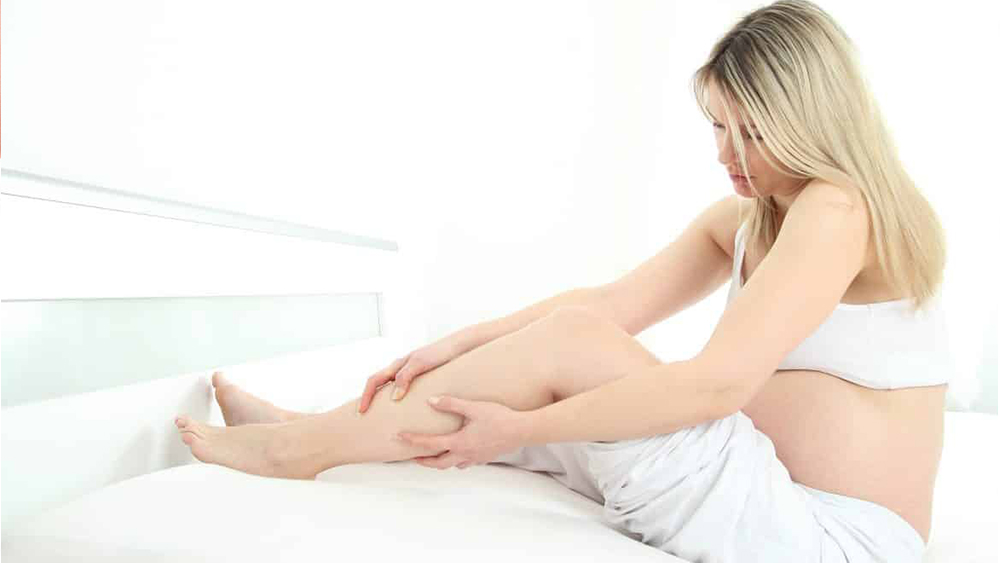
Enlarged veins in the pelvic region can be uncomfortable to live with. They most often appear during pregnancy. You can ease the pain at home, or your doctor can help you manage it. In many cases these veins fade on their own within a few months of childbirth. When the problem develops outside of pregnancy, …

Vascular Compression

Vascular Compression

Venous compression is a group of conditions where nearby tissue puts external pressure on a segment of a vein. This pressure can block the outflow of blood and, in some cases, bring on the symptoms of a vein condition. Swelling of the legs is common in people who suffer from venous compression. The problem occurs …

FAQs

What are varicose veins in the legs, and how do they differ from spider veins?

+
Varicose veins in the legs are enlarged, twisted veins that often appear blue or dark purple. They result from weakened vein walls and valves, causing blood to pool. Spider veins are smaller, dilated blood vessels that appear close to the skin's surface. While varicose veins are larger and may cause discomfort, spider veins are generally cosmetic.

What are reticular veins, and are they a precursor to severe varicose veins?

+
Reticular veins are medium-sized blue or green veins that often feed into larger varicose veins. While they may not cause significant symptoms, untreated reticular veins can contribute to the development of severe varicose veins. Seeking early intervention can prevent the progression to more severe venous issues.

How can venous ulcers be linked to varicose veins, and what treatment options are available?

+
Venous ulcers are open sores that develop when chronic venous insufficiency, often associated with varicose veins, leads to poor blood circulation. Treatment may include compression therapy, wound care, and addressing the underlying venous issues through procedures like endovenous laser therapy or sclerotherapy.

What is the connection between deep vein thrombosis (DVT) and vascular compression in the legs?

+
Deep vein thrombosis occurs when a blood clot forms in a deep vein, usually in the legs. Vascular compression, caused by factors like tumors or anatomical abnormalities, can contribute to DVT. Identifying and addressing compression sources is crucial in preventing and managing DVT.

Can varicose veins extend to the pelvic or vaginal region, and what are the implications?

+
Yes, varicose veins can extend to the pelvic or vaginal area, often during pregnancy. This condition may cause discomfort, pain, or a feeling of heaviness. While not always harmful, severe cases may lead to complications. Consultation with a healthcare professional can guide appropriate management, which may include compression stockings or medical procedures.

Are abnormal veins in the feet and ankle a cause for concern?

+
Abnormal veins in the feet and ankles, such as swollen or discolored veins, may indicate venous insufficiency. While not always a cause for immediate concern, persistent symptoms should be evaluated to rule out underlying issues. Compression therapy and lifestyle modifications are common approaches to manage symptoms in the feet and ankles.

Sign Up for an Appointment with the Doctor Today

Dr. Yazdani has achieved great results in restoring vein health.
Call Us or Book an appointment online to visit the Dr. at your convenience.