Phone Number
+61 (03) 9191 9195Email Address
enquiry@melbournevein.com.au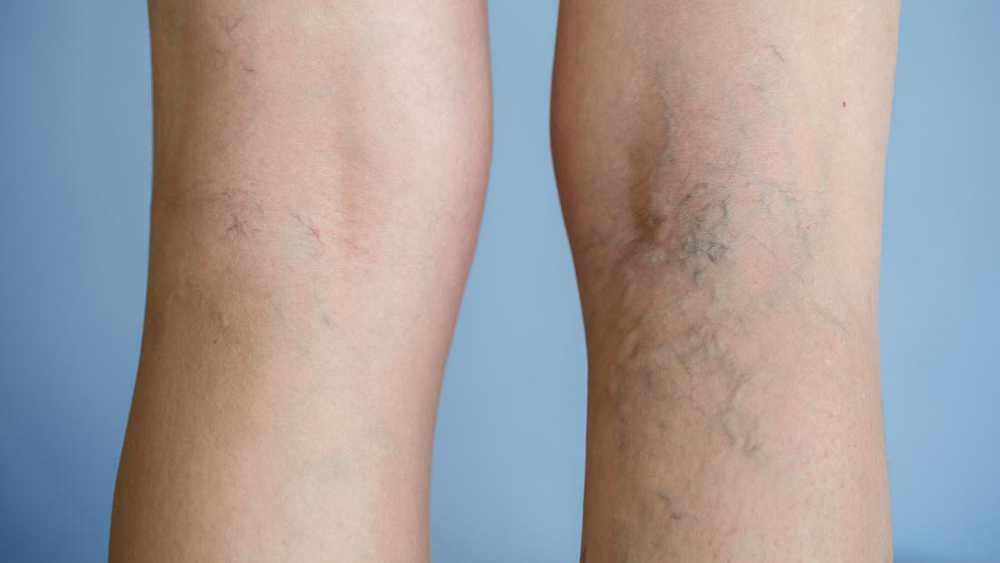
Reticular veins are usually blue or purple, and they often form clusters. They can bring pain or discomfort. You will mostly find them on the inner and back of the thighs, the back of the legs, and the ankles. Occasionally they appear on the face.
These veins are also known as feeder veins. They look ropy and often show up around the back of the knee. They sit narrower than varicose veins but thicker than spider veins. Because they often feed networks of smaller spider veins, treating them matters for lasting results.
Dr. Yazdani performs all treatments and diagnoses at Melbourne Varicose Vein.
These veins are extremely common and affect around 80% of adults. Hormonal imbalances, weak veins, and genetics can all trigger them. Age, weight, UV skin damage, and jobs with a lot of sitting or standing may add to the risk.
The valves inside these veins also stop working well. As a result, blood flows out towards the skin instead of draining the usual way. Because the veins lie close to the surface, they often become more visible.
These veins may cause leg pain, or they may show no symptoms beyond their appearance. When left untreated, they can keep feeding the smaller spider veins nearby. Treating the feeder veins first gives you the best chance of clearing those networks successfully.
These veins measure around 1 to 3 mm across. You will most often find them on the inner thighs, the ankles, or the backs of the legs. Unlike varicose veins, they do not always bulge above the skin. They usually look blue-green or purple, and they can form uncomfortable clusters.
| Spider Vein | Reticular Vein | Varicose Vein |
|---|---|---|
| Spider veins are tiny, measuring less than 1 mm | Reticular are a little larger vein measuring 1-3 mm in size | Varicose Veins are larger than 3 mm in size |
| Blue or red in color | Blue-green or purple in color | Dark purple or blue in color |
| Remain beneath the surface of the skin | Usually do not bulge on the skin | Lie under the skin and sometimes bulge or swell out |
| Look like a web structure | These form cluster-like shapes | Bulgy veins, swollen & twisted |
| Found on Lateral thigh & upper 1/3 rd of calf, ankles abdomen chest & face | Seen in the inner & back of thighs, legs ankles & sometimes face | Visible on the thighs, the backs and fronts of the calves, or the inside of the legs near the ankles and feet. |
| These are not painful but might increase due to feeder veins | These can be painful and cause discomfort | These are generally painful and enlarged veins that cause swollen legs & heaviness |
Dr. Yazdani can treat these veins with Direct Vision Microsclerotherapy or Ultrasound Guided Sclerotherapy. She holds a Gold Medal in sclerotherapy procedures. The clinic also uses advanced techniques for vein problems and lymphatic conditions.
At Melbourne Varicose Vein, we allow around 60 minutes for your first consultation. This gives us time to explore your medical and family history in detail. From there, we can pinpoint the root cause and plan the right treatment for you. If this affects you, please get in touch and we will guide you on the next steps.
Dr. Yazdani has achieved great results in restoring vein health.
Call Us or Book an appointment online to visit the Dr. at your convenience.