Book Appointment

Severe Varicose Vein

image
Severe Varicose Vein - Best Vein Varicose Clinic in Victoria Melbourne

Severe Varicose Vein

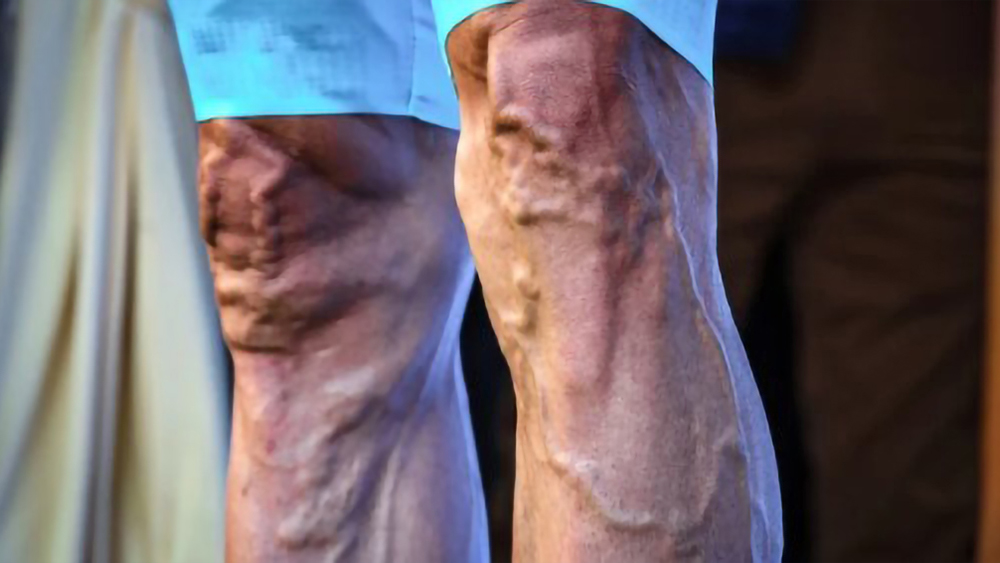
Severe varicose veins can cause more than cosmetic concern. Left untreated, they can lead to rashes, infections, bleeding, sores, and blood clots. Not everyone develops these complications. Still, leaving the veins untreated raises the chance that problems appear.

At Melbourne Varicose Vein, we avoid the cuts and pain of traditional surgery. Instead, we use the latest and safest advanced techniques for every treatment.

What Causes Severe Varicose Vein?

A condition called superficial venous insufficiency sits at the root of the problem. Normally, tiny valves in your veins open to send blood towards the heart, then close. This creates a one-way path and stops blood from flowing backwards.

When these valves fail, blood pools in the vein instead of draining properly. Over time, this raised pressure damages the surrounding skin and tissue. You can read more about venous ulcers and venous compression.

Risks of Leaving Severe Varicose Vein Untreated

When the condition continues for a long time, it can trigger several complications. These include venous eczema (itchy, scaly, red, thickened skin) and hyperpigmentation (brown discolouration of the skin). It can also cause ankle and foot veins (corona phlebectatica paraplantaris) and moderate to severe swelling of the legs.

In later stages, it may lead to lipodermatosclerosis, a hardening of the skin and soft tissue before ulcers form. Ulceration and superficial venous thrombophlebitis (inflammation and a clot in a varicose vein) can follow.

How These Complications Develop

Eczema: Venous insufficiency raises pressure and collects extra fluid in the tissues. That fluid can activate the immune system and set off inflammation.

Thrombophlebitis: Blood lingers in a varicose vein longer than in a healthy vein. This delay raises the risk of a clot forming.

Hyperpigmentation, lipodermatosclerosis, and ulceration: The raised pressure creates fibrin deposits, an insoluble protein. These deposits then block oxygen and nutrients from reaching the skin, muscle, and soft tissue.

Ankle swelling (oedema): The same pressure forces fluid into the tissues. When the soft tissue no longer receives enough nourishment, it gradually breaks down and leads to discolouration and ulceration.

Signs & Symptoms to Look Out For

  • Swelling or fatigue in the legs
  • Achy, heavy legs that ease after you elevate them for at least 15 minutes
  • A burning or throbbing sensation over an enlarged vein
  • Leg pain, muscle cramping, and restless legs at night
  • Unexplained swelling in the lower leg and around the ankle
  • Any varicose vein that bleeds abnormally

Effective Treatment Options for Severe Varicose Vein

Dr. Yazdani can treat severe cases with Ultrasound Guided Sclerotherapy or Ambulatory Phlebectomy. Both methods use minimal-invasion techniques rather than open surgery. You can trust your care to Victoria's highly reviewed doctor

Recovery and Post-Treatment Care

At Melbourne Varicose Vein, we allow around 60 minutes for your first consultation. This gives us time to review your medical and family history in detail. From there, we can pinpoint the root cause and plan the safest treatment for you. If this affects you, please get in touch and we will guide you on the next steps.

FAQs

What are severe varicose veins, and how do I know if I have a severe varicose vein problem?

+
Severe varicose veins are enlarged, twisted veins that often result from dysfunctional valves, causing blood to pool. Symptoms of a severe varicose vein problem include persistent pain, swelling, and skin changes. A consultation with a vascular specialist can help diagnose the severity of your condition.

How can I find a qualified severe varicose vein doctor for evaluation and treatment?

+
To find a qualified severe varicose vein doctor, start by consulting your primary care physician for a referral. Alternatively, you can research local vascular specialists, ensuring they have experience in treating severe varicose veins. Reading patient reviews and seeking recommendations can also guide you in finding a reliable healthcare professional.

What treatment options are available for severe varicose veins, and how effective are they?

+
Treatment options for severe varicose veins vary but may include minimally invasive procedures like endovenous laser ablation (EVLA) or sclerotherapy. In some cases, surgical intervention may be necessary. The effectiveness of treatment depends on the severity of the condition and the chosen intervention. Consult with a vascular specialist to determine the most suitable approach for your specific case.

What are the potential effects of leaving severe varicose veins untreated?

+
Leaving severe varicose veins untreated can lead to complications such as chronic pain, skin ulcers, and blood clots. Over time, these issues can impact your overall quality of life and may require more extensive interventions. Seeking early evaluation and treatment is crucial to prevent the progression of severe varicose vein effects.

Can severe varicose veins be completely cured, or is ongoing management necessary?

+
While there is no outright cure for severe varicose veins, effective treatment can alleviate symptoms and improve the appearance of the veins. Ongoing management may involve lifestyle changes, wearing compression stockings, and periodic follow-up appointments with your vascular specialist to monitor the condition. Adopting a proactive approach to care can help manage and mitigate the impact of severe varicose veins.

Sign Up for an Appointment with the Doctor Today

Dr. Yazdani has achieved great results in restoring vein health.
Call Us or Book an appointment online to visit the Dr. at your convenience.