
Venous Stasis Dermatitis and Its Risk Factors
We have created this guide to help you understand the risk factors associated with venous stasis dermatitis. It is crucial to comprehend the stages of vein conditions that occur before the onset of venous stasis dermatitis. The initial stage is known as venous insufficiency.
A late-stage vein disease that is less well-known than others like varicose veins, can develop when a vein problem causes slow blood flow. Slow blood flow leads to vein condition, a progressive ailment that hampers your circulatory system's ability to provide your body with enough oxygen and other nutrients. If left untreated, it can result in serious health complications such as bone infections, skin ulcers, and abscesses.
Progression of Vein Conditions to Venous Stasis Dermatitis
Veins play a vital role in the circulatory system by returning deoxygenated blood to the lungs for further oxygen absorption. Due to the flow of blood against gravity, one-way valves in the veins close after blood passes through to ensure continuous blood flow.
In the case of venous insufficiency, vein walls may deteriorate due to trauma or, more commonly, high blood volume and pressure, which can damage the valves. These valves fail to seal completely, allowing blood to flow backward, slow down, and accumulate in the vein.
If the superficial veins are affected, they become swollen with blood, resulting in the formation of varicose veins. Varicose veins are characterized by colorful, ropy protrusions on the legs. While many people perceive them as a cosmetic concern, they can cause swelling, itching, burning, and even deep vein thrombosis, a condition where blood clots form in the leg veins.
These blood clots further impede blood flow in the limb and can be life-threatening if fragments of the clot break off and lodge in the lung.
Vein engorgement can lead to painful edema, whether it occurs in the superficial or deep veins (leg swelling). If left untreated, edema can progress to venous stasis dermatitis, which causes changes in the color and appearance of the skin.
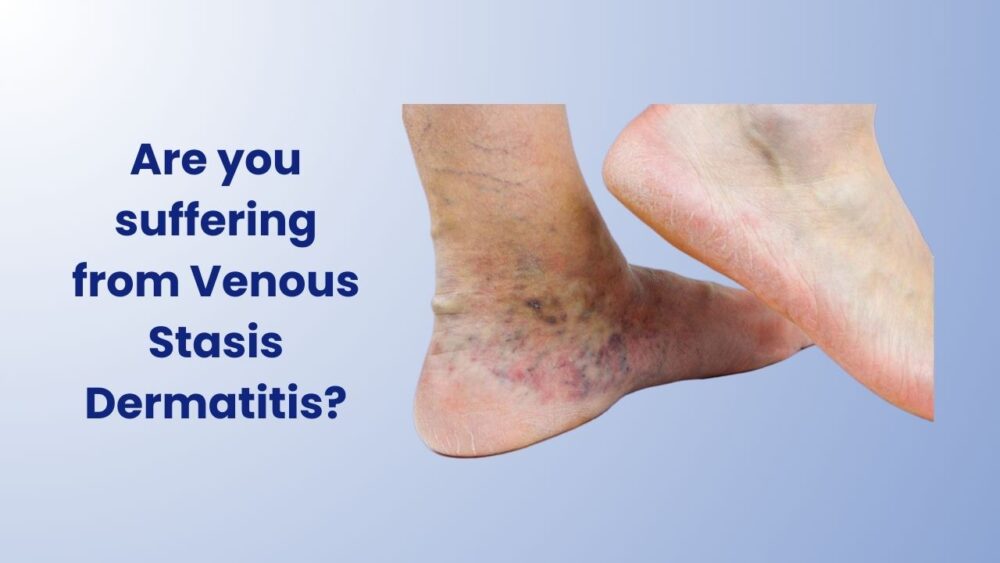
Early symptoms of venous stasis dermatitis include orange-brown patches, sometimes referred to as cayenne pepper spots. These patches occur when the edema's pressure causes capillaries to rupture. The skin on your lower legs and ankles may become discolored, turning red or brown as the hemoglobin inside the capillaries breaks down.
Other observed symptoms may include:
- Scaly or glossy skin
- Thickened skin
- Itching and dryness
- Permanent skin alterations in severe cases of stasis dermatitis
In addition to the aforementioned vein conditions, several factors increase the likelihood of developing venous stasis dermatitis.
These factors include:
- Genetic predisposition to varicose veins
- Weight issues
- Prolonged standing
- Multiple pregnancies
Individuals over 50 years of age are at a higher risk, and women are more prone to developing venous stasis dermatitis due to the added pressure on leg veins during pregnancy.
What Are the Treatment Options for Venous Stasis Dermatitis?
There are several effective treatments for venous stasis dermatitis, including:- Radio Frequency or Endovenous Laser Ablation
- Ultrasound-guided foam sclerotherapy
- Cyanoacrylate
- Conservative management, such as compression stockings
- Surgery
It is important to visit the Melbourne Varicose Vein Clinic for an assessment and treatment before your vein condition worsens and poses a risk to your health. Contact us or schedule an appointment online with us right now.